Phishing emails are getting SMARTER. They’re when cybercriminals pretend to be someone you trust, to get you to click a suspicious link.
Think you or your team could spot one in seconds?
Sometimes the clues are obvious. If you know where to look…

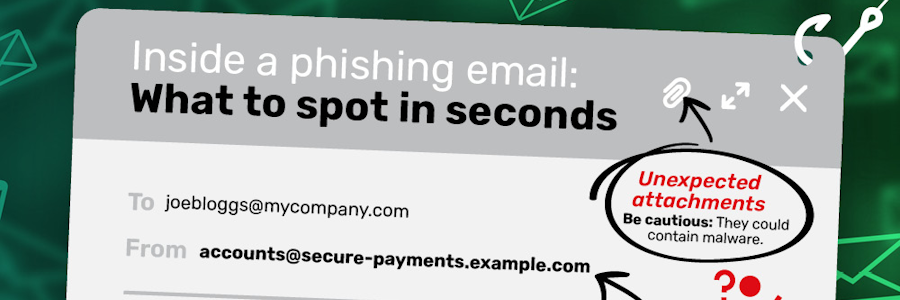
Phishing emails are getting SMARTER. They’re when cybercriminals pretend to be someone you trust, to get you to click a suspicious link.
Think you or your team could spot one in seconds?
Sometimes the clues are obvious. If you know where to look…
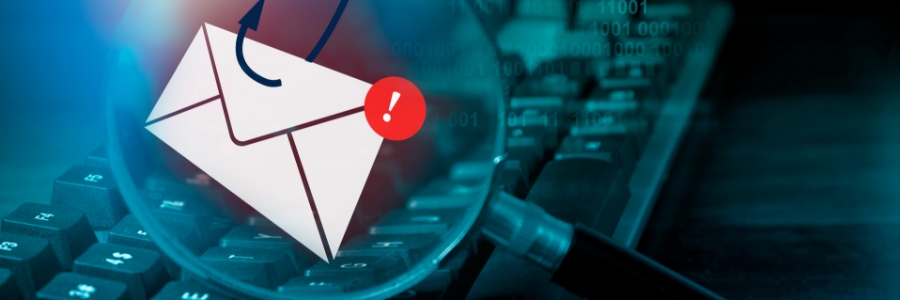
Cybercriminals are now using innocuous office devices such as printers and scanners to launch phishing attacks without needing to hack into your email account. Learn how to spot and stop this new trick to keep your workplace safe from phishing scams.
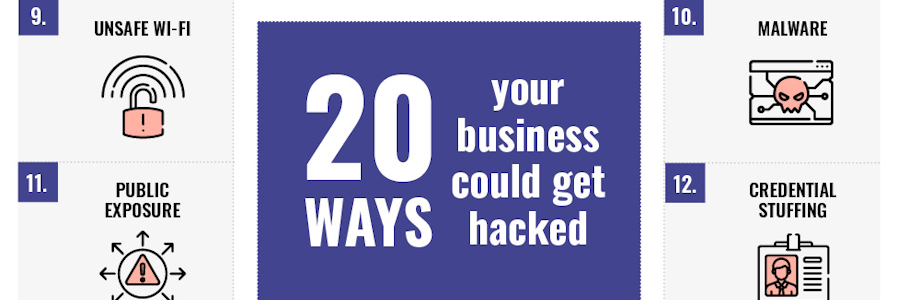
How Does a Cybercriminal Break into a Business?
It’s not always the high-tech hacks you hear about on the news. Sometimes it’s much simpler. And closer to home.
Look at these 20 common ways businesses get hacked. Some might surprise you.
Cybercriminals don’t clock off.
While your team sleeps, eats, and unwinds… attackers are scanning, phishing, and sneaking in.
This is how active the threat is around the clock.

You’re focused on leveraging the latest technology for growth and innovation, but there’s a hidden risk that comes with it. The software, automated systems, and AI tools that power your business each have their own non-human identity (NHI). Managing these digital identities was a significant challenge even before the AI boom, but now, with intelligent agents capable of independent action, NHIs represent a critical threat that demands immediate attention.
Many people are getting better at spotting phishing attacks from outside sources. But what if the attack appears to come from within your own company? A recently discovered vulnerability in Microsoft 365 is being used to bypass traditional security, making it easier than ever for hackers to send you convincing fake emails that slip past your defenses.

As the digital world becomes increasingly complex, finding ways to protect personal and business information is more important than ever. Traditional passwords have long been the go-to solution for securing online accounts, but they come with a variety of vulnerabilities.

A data breach doesn’t just cost money. It damages trust and disrupts business. Plus, it can take months to detect. The risks are growing. Fast.
Cybersecurity has become a priority for businesses of all sizes, not just big corporations. Small businesses, often overlooked in the cybersecurity conversation, are now prime targets for cybercriminals. This blog delves into the reasons why small businesses are struggling more with cybersecurity today.